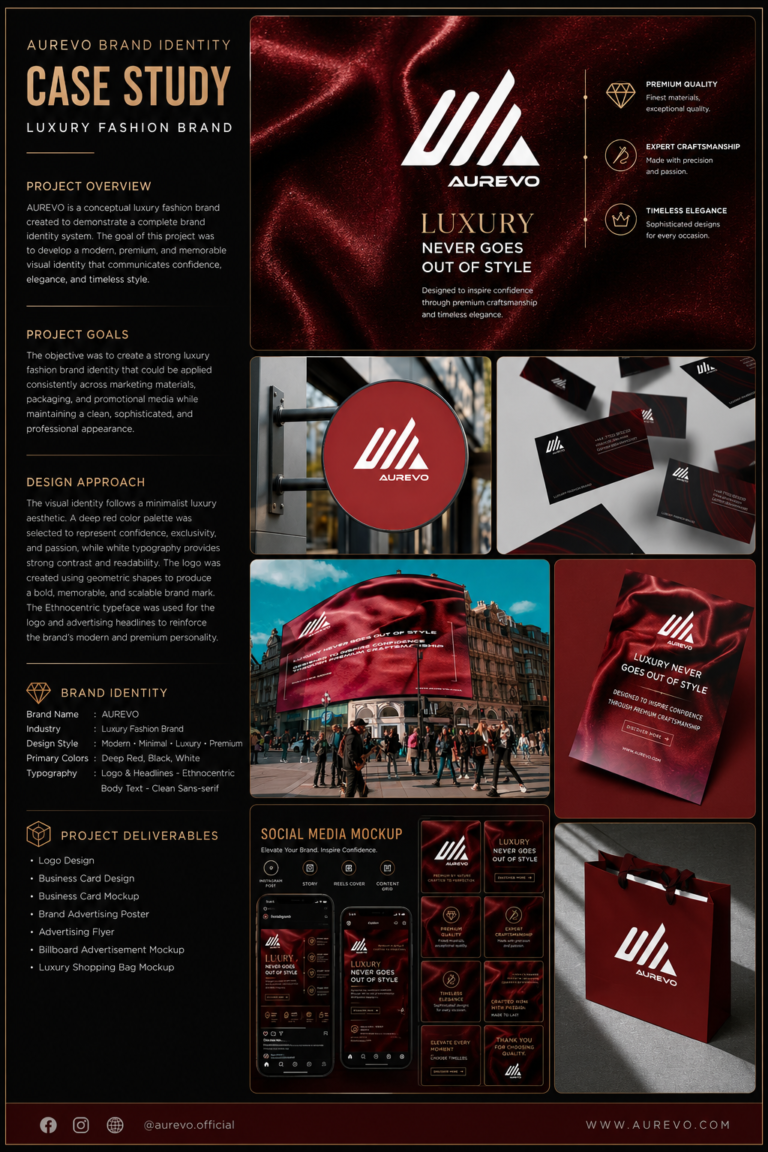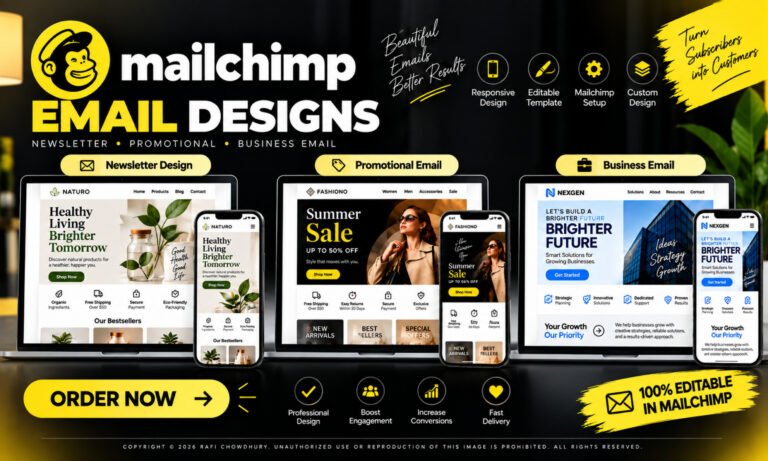
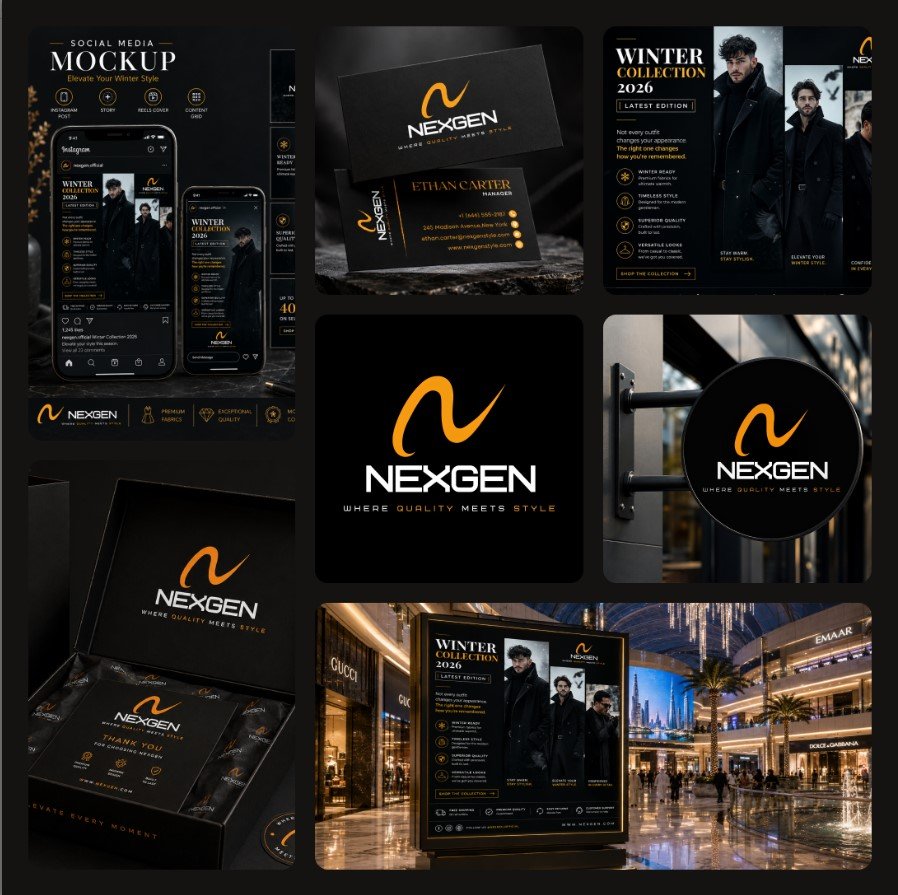
Graphic Design in 2026: Complete Guide for Businesses
Graphic Design in 2026: Complete Guide for Businesses
Visual communication plays an important role in how people recognize, understand, and remember a business. A customer may first discover a company through its logo, social media post, website banner, advertisement, product packaging, flyer, or business card. Before reading a detailed message, people often notice the visual presentation first.
This makes Graphic Design in 2026 an important part of modern branding, marketing, and business communication.
Professional graphic design is not simply about making something look attractive. It combines typography, colors, images, shapes, layout, hierarchy, and other visual elements to communicate a clear message. Effective design can help a business establish its identity, present information professionally, support marketing campaigns, and maintain consistency across different platforms.
From logo design and brand identity to flyer design, banner design, packaging design, social media design, business card design, and YouTube thumbnail design, businesses use graphic design in many different ways.
What Is Graphic Design?
Graphic design is the practice of creating visual communication by combining text, images, colors, typography, shapes, icons, illustrations, and layouts.
The purpose of a design depends on the project.
A logo may be created to represent a brand. A flyer may promote an event or service. Product packaging needs to communicate brand identity and important product information. A social media graphic may be designed to capture attention and communicate a message quickly.
Common graphic design services include:
- Logo Design
- Brand Identity Design
- Flyer Design
- Banner Design
- Social Media Design
- Packaging Design
- Business Card Design
- Visiting Card Design
- YouTube Thumbnail Design
- Advertising Design
- Brochure Design
- Poster Design
- Marketing Materials
Although these designs have different purposes, they all rely on visual communication.
Why Is Graphic Design Important for Businesses?
Businesses communicate visually across almost every digital and physical marketing channel.
A professional visual identity can help a business appear more organized, consistent, and recognizable.
Graphic design can support:
- Brand identity
- Brand recognition
- Marketing communication
- Social media presence
- Advertising
- Product presentation
- Website communication
- Customer experience
- Professional business materials
Good design should help the audience understand a message rather than simply decorate it.
For example, a promotional banner should clearly communicate the offer. A business card should make contact information easy to find. Product packaging should combine visual appeal with useful information.
This balance between creativity and communication is central to professional graphic design.
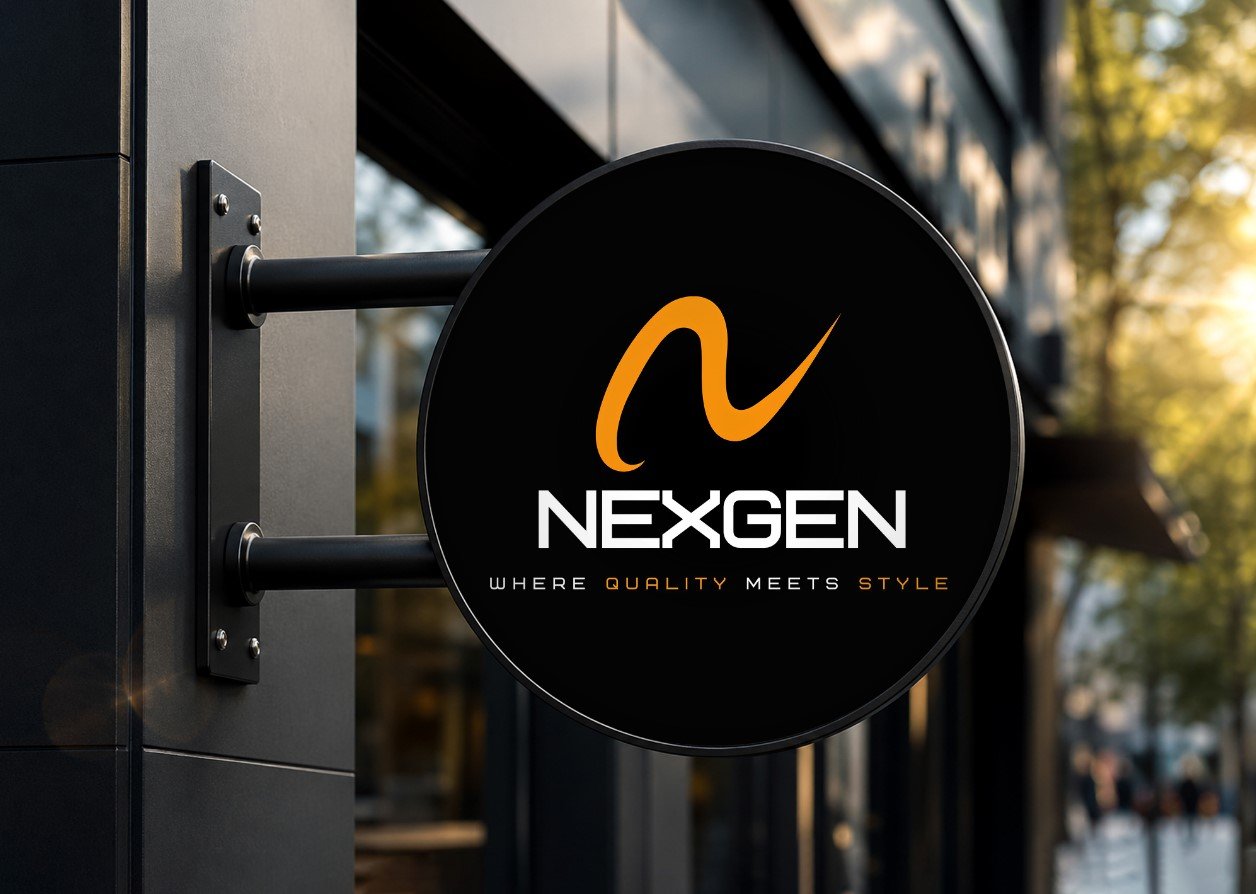
Logo Design
Logo design is one of the most recognizable areas of graphic design.
A logo acts as a visual identifier for a company, organization, product, or personal brand. It can appear across websites, social media profiles, advertisements, packaging, documents, business cards, signage, and many other materials.
A professional logo should usually be:
- Recognizable
- Relevant
- Scalable
- Versatile
- Clear
- Consistent with the brand
Logo design is not simply about creating an attractive symbol.
A designer should consider the business, target audience, industry, brand personality, competitors, and places where the logo will eventually be used.
A detailed logo may look impressive at a large size but become difficult to recognize when displayed as a small social media profile image.
Versatility, therefore, matters.
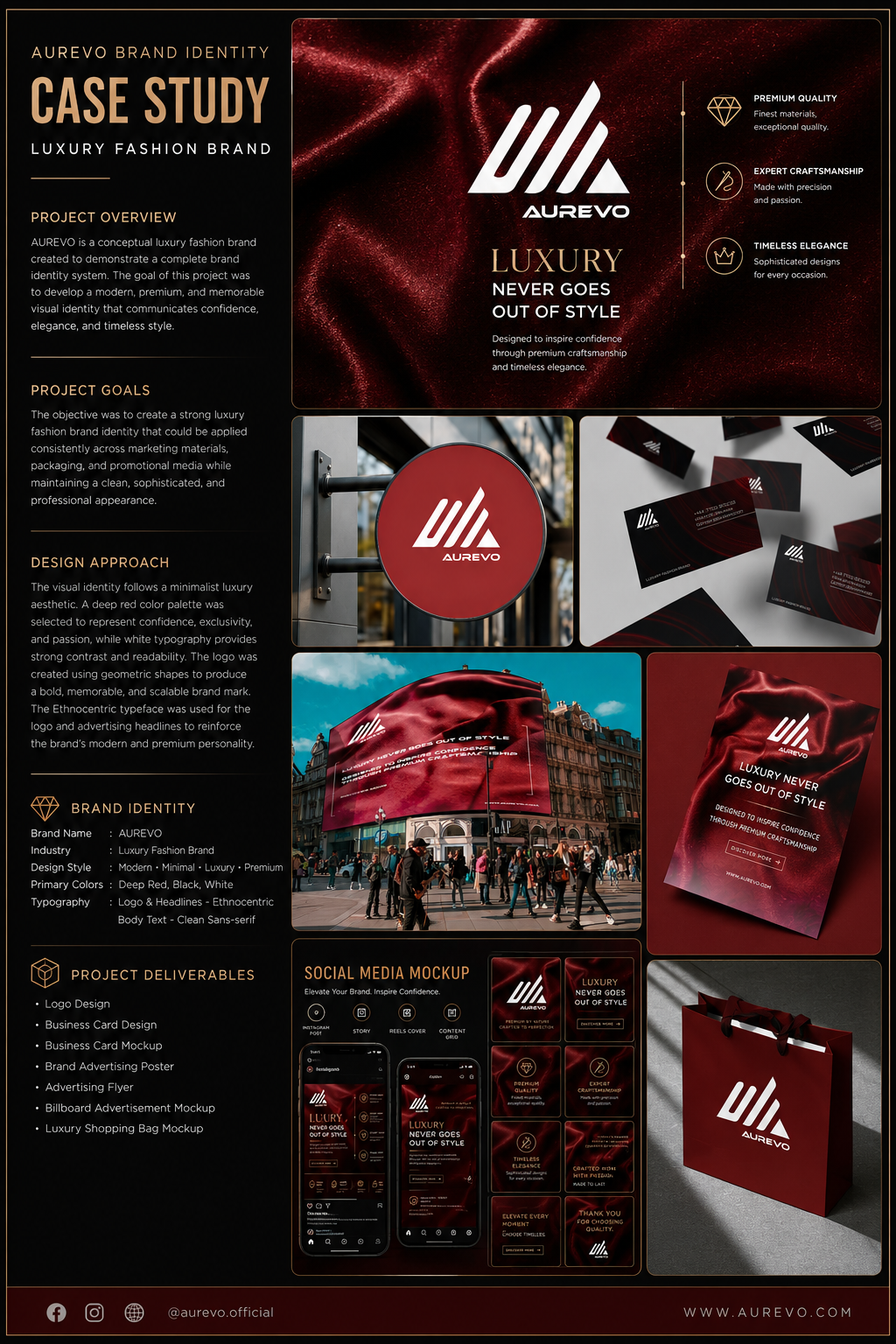
Brand Identity Design
A logo is important, but it is only one part of a complete brand identity.
Brand identity design creates a broader visual system for representing a business.
It may include:
- Primary logo
- Logo variations
- Brand colors
- Typography
- Icons
- Graphic elements
- Image style
- Layout principles
- Brand guidelines
When these elements are used consistently, a business can create a recognizable visual experience.
For example, someone who visits a company’s website and later sees one of its social media posts should ideally recognize that both belong to the same brand.
Consistency is one of the major goals of brand identity design.
Flyer Design
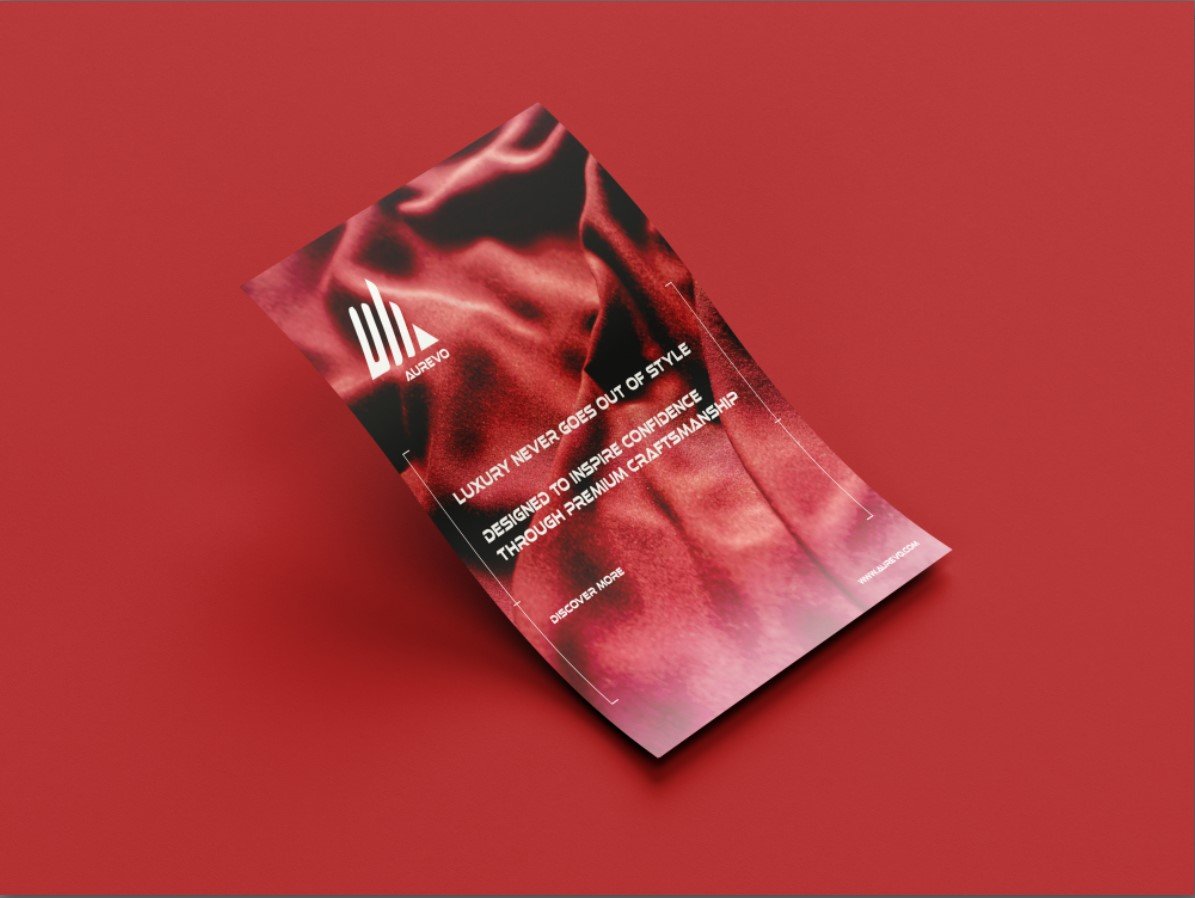
Flyer design is widely used for advertising products, services, events, offers, businesses, and promotions.
Flyers can be printed or distributed digitally.
Businesses may use them for:
- Events
- Restaurants
- Real estate
- Local services
- Special offers
- Product promotions
- Courses
- Grand openings
- Business promotions
An effective flyer should make important information easy to identify.
The headline, offer, supporting details, contact information, and call-to-action should follow a clear visual hierarchy.
Too much information can make a flyer difficult to understand.
Professional flyer design therefore requires a balance between information and visual simplicity.
Banner Design
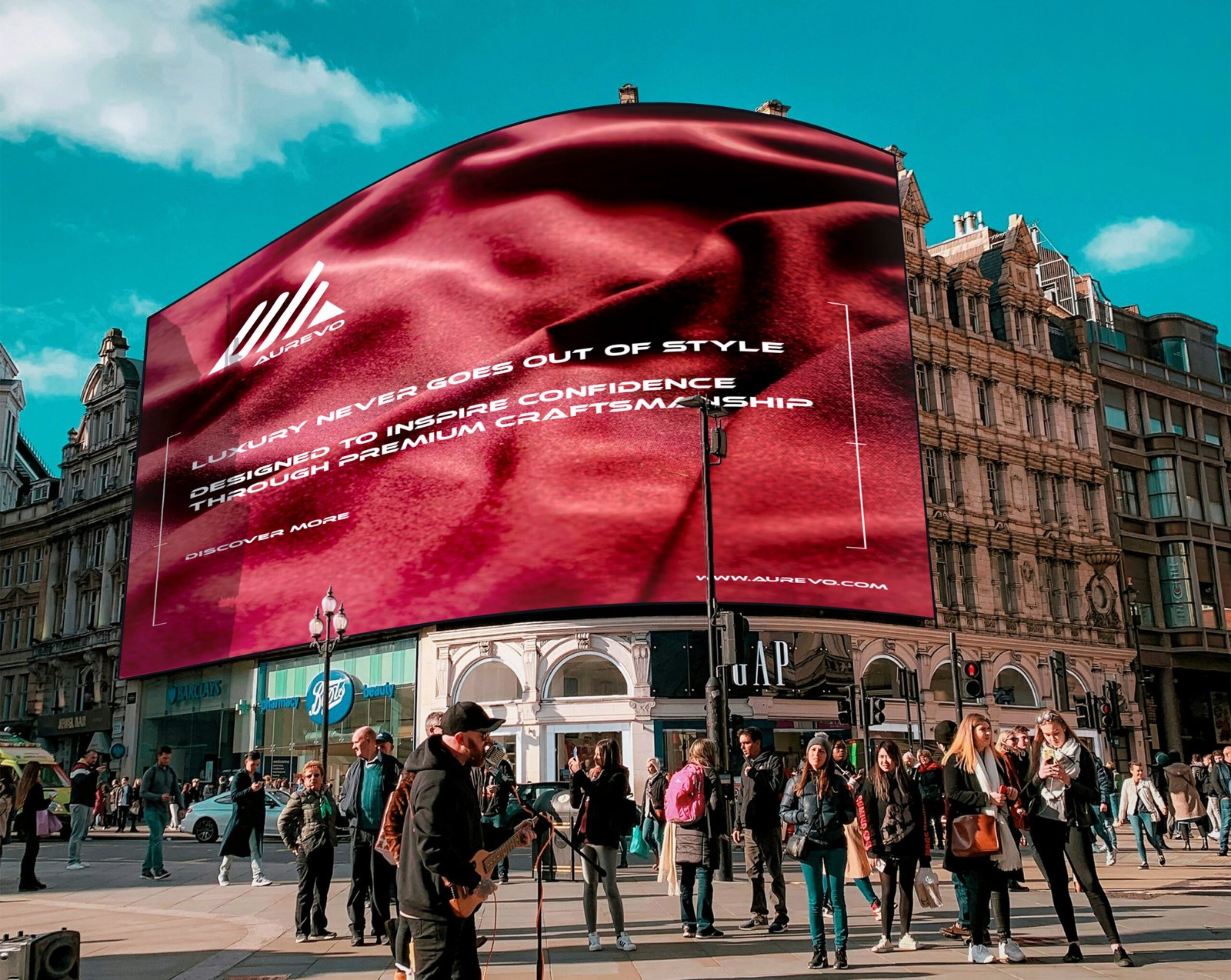
Banner design is another important area of graphic design used across websites, social media, digital advertisements, events, and promotional campaigns.
A banner often has only a few seconds to capture attention.
A strong banner design should quickly communicate:
What is the message?
What is being offered?
What should the viewer do next?
A professional banner may combine a headline, supporting text, image, branding, and call-to-action.
The exact structure depends on where the banner will be displayed.
A website banner, Facebook cover, LinkedIn banner, and digital advertisement may require completely different dimensions and layouts.
Designers should therefore create banners for their intended platforms rather than using the same layout everywhere.
Social Media Design
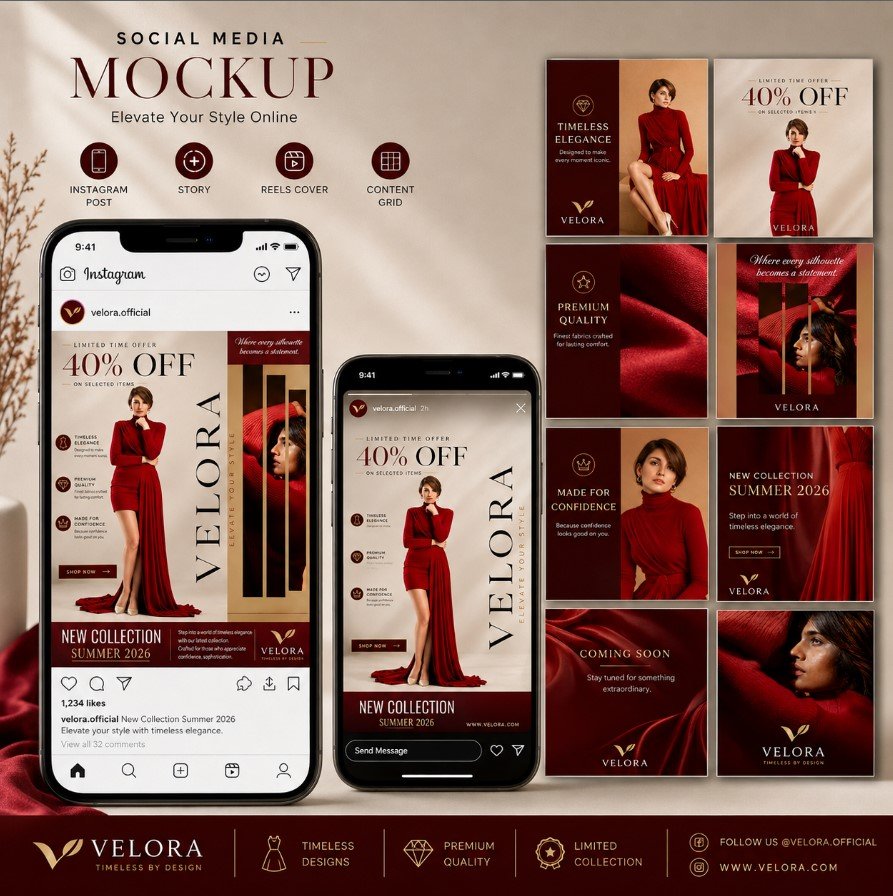
Social media platforms contain a large amount of visual content competing for attention.
Professional social media design can help businesses communicate consistently across their profiles.
Businesses may need:
- Instagram posts
- Facebook posts
- LinkedIn graphics
- Instagram Stories
- Social media advertisements
- Carousel designs
- Promotional graphics
- Cover images
- Product posts
- Announcement graphics
A consistent social media design system can use recognizable colors, typography, graphic elements, and layouts.
This does not mean every post should look identical.
Instead, different designs should maintain enough consistency for audiences to recognize the brand.
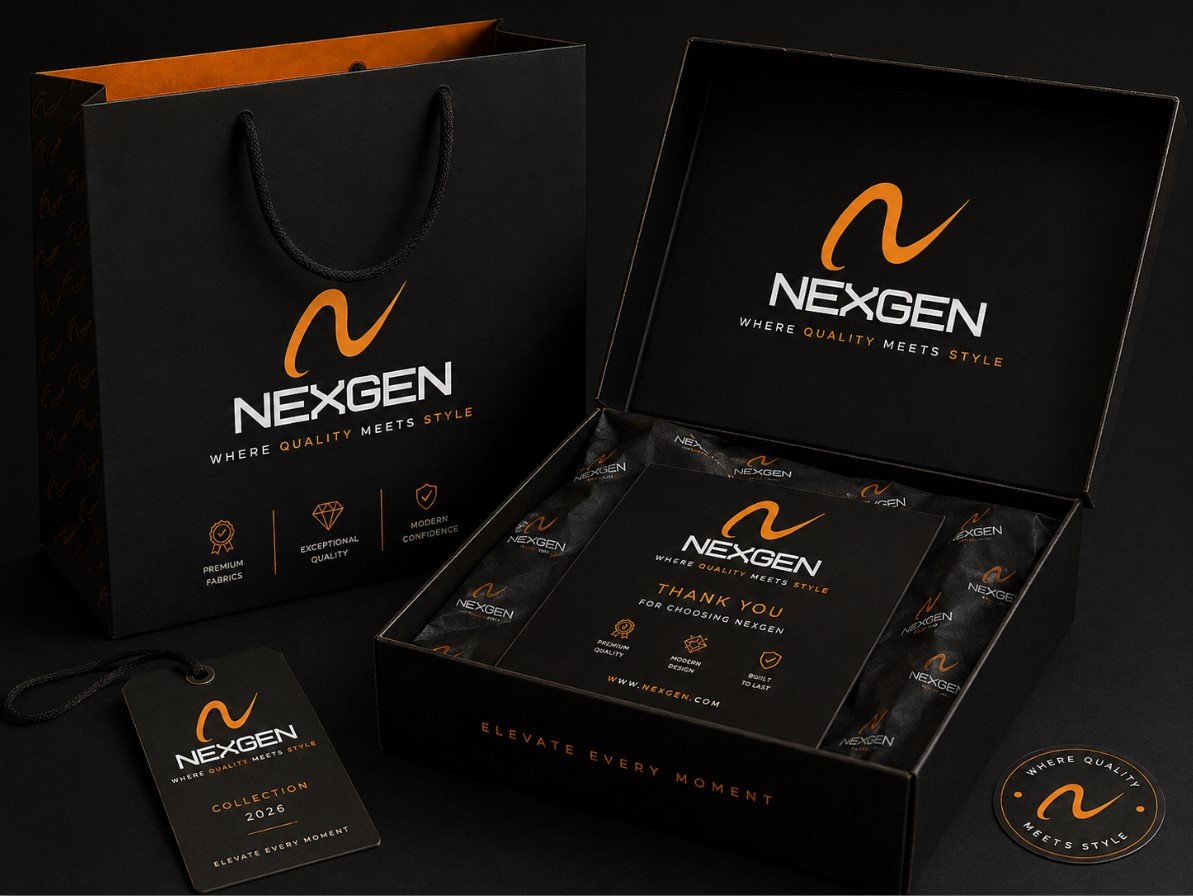
Packaging Design
For businesses selling physical products, packaging design combines branding, communication, and functionality.
Product packaging may include:
- Logo
- Product name
- Brand colors
- Typography
- Images
- Illustrations
- Product information
- Instructions
- Labels
- Required information
Good packaging should be visually appropriate for the product while also making essential information clear.
The design may also need to work across different product sizes or variations.
For an e-commerce brand, packaging can become part of the customer experience after the product arrives. In physical retail environments, it can also help differentiate products displayed alongside competitors.
This makes professional packaging an important extension of brand identity.
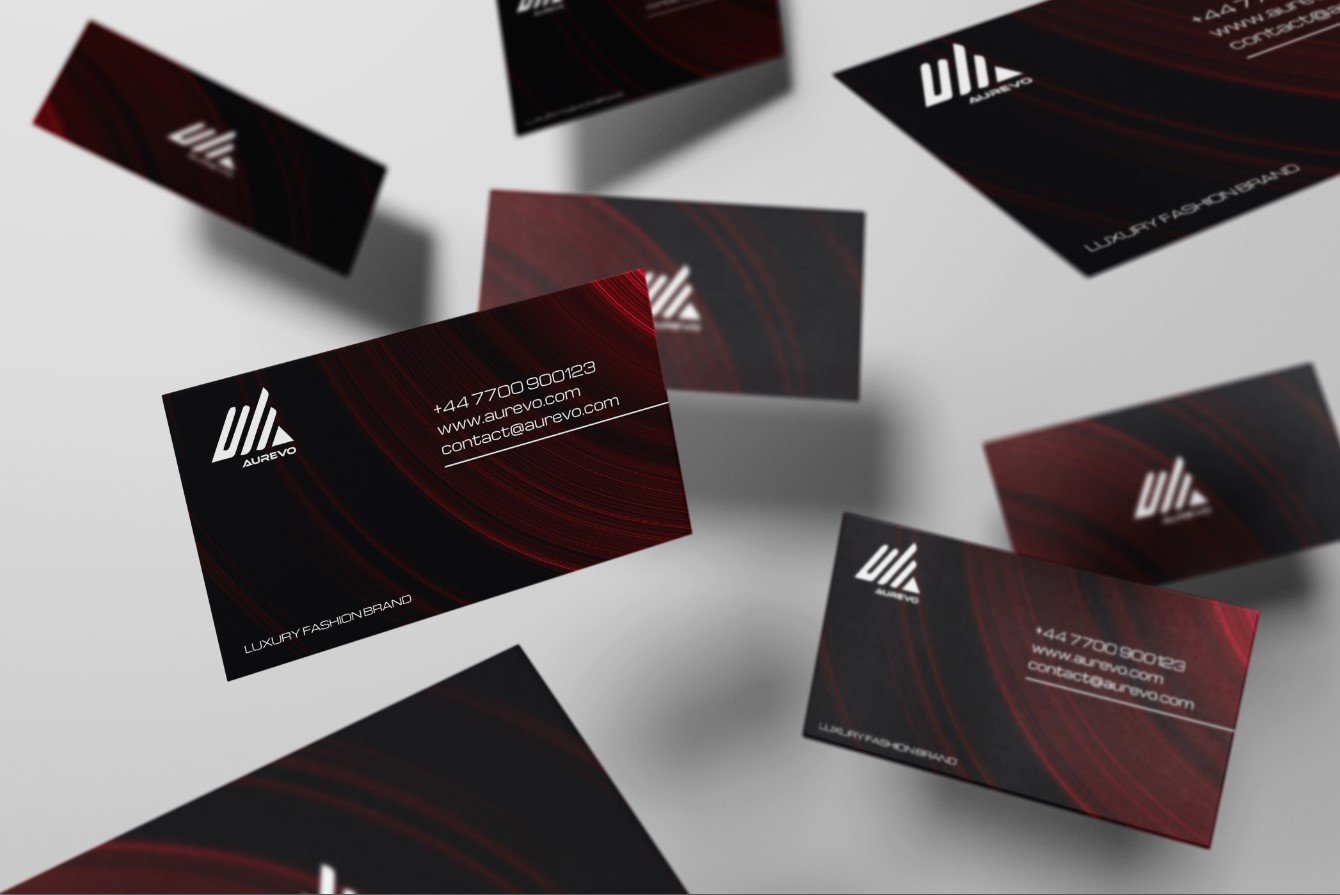
Business Card and Visiting Card Design
Business card design remains relevant for networking, meetings, events, and professional introductions.
A business card usually contains essential information such as
- Name
- Job title
- Business name
- Logo
- Phone number
- Website
- Social media
- QR code
A professional visiting card design should prioritize readability.
Trying to fit too much information into a small space can create a crowded design.
Good spacing, typography, alignment, and hierarchy can make contact information easier to understand while maintaining the visual identity of the business.

YouTube Thumbnail Design
For video creators, YouTube thumbnail design is an important part of presenting content.
A thumbnail works together with the video title to help viewers understand what a video is about before opening it.
Professional thumbnails may use:
- Relevant imagery
- Readable text
- Strong visual hierarchy
- Clear contrast
- Consistent branding
- Simple composition
The thumbnail should accurately represent the content rather than using misleading visual information.
Creators who publish regularly can also use consistent design elements to make their videos more recognizable across their channels.
Graphic Design for Digital Marketing
Graphic Design in 2026 is closely connected with digital marketing because almost every marketing channel requires visual content.
For example:
Social Media Marketing → Social Media Graphics
Content Marketing → Blog Graphics & Infographics
Email Marketing → Email Graphics
Google Ads → Advertising Creatives
YouTube Marketing → Thumbnail Design
Website Marketing → Banners & Visual Assets
Brand Marketing → Logo & Brand Identity
This relationship shows that graphic design and marketing often work together.
Marketing provides the message and objective, while graphic design helps communicate that message visually.
Graphic Design for Social Media Marketing
Social media marketing depends heavily on visual communication.
Even when a post contains strong written content, the accompanying design can influence how the information is presented.
A business may create visual content for educational posts, product promotions, announcements, customer testimonials, statistics, offers, and other marketing messages.
A consistent visual approach also helps connect different posts to the same brand.
For businesses publishing regularly, creating a reusable design system can make content production more efficient while maintaining consistency.
Graphic Design for Advertising
Advertising often requires businesses to communicate a message within limited space and limited attention.
Graphic design helps organize that message.
An advertisement might contain:
Headline → Benefit → Product or Service → Call-to-Action
The design should make this hierarchy easy to understand.
Online advertising also requires multiple formats because the same campaign may appear across different placements and devices.
Designers should consider the platform, audience, campaign objective, and technical requirements when creating advertising graphics.
Graphic Design for Websites
Websites use graphic design throughout the user experience.
Common website design assets can include:
- Hero banners
- Service graphics
- Icons
- Promotional banners
- Blog graphics
- Illustrations
- Infographics
- Call-to-action graphics
- Brand elements
Website graphics should support the content rather than make pages unnecessarily heavy or distracting.
Designers should also consider image dimensions, readability, mobile responsiveness, and visual consistency.
A visually attractive website is most effective when users can also navigate and understand it easily.
Graphic Design for Small Businesses
Small businesses can benefit from having a consistent visual identity even when they do not have large marketing budgets.
A small business might initially need only a few core assets:
Logo → Business Card → Social Media Templates → Website Graphics → Flyer
These materials can create a basic visual foundation.
As the business grows, additional materials such as advertising creatives, packaging, brochures, presentations, and email graphics can be added.
Starting with a consistent brand identity can make future design work easier.
Graphic Design for Startups
Startups often need to establish their identity while introducing a new product, service, or business idea.
Professional graphic design can help a startup create:
- Logo
- Brand identity
- Website graphics
- Social media content
- Presentations
- Marketing materials
- Advertising creatives
Design should reflect how the startup wants to position itself.
For example, a technology startup may need a very different visual identity from a luxury fashion brand or children’s product company.
Understanding the audience and brand personality should therefore come before choosing colors or visual styles.
Graphic Design for E-Commerce
E-commerce relies heavily on visual presentation because customers often evaluate products online before seeing them physically.
Graphic design for e-commerce may include:
- Product graphics
- Promotional banners
- Sale graphics
- Social media advertisements
- Packaging
- Email graphics
- Website banners
- Product comparison graphics
Visual consistency across the website, advertising, social media, and packaging can create a more connected customer experience.
Product information should also remain clear and accurate rather than being overwhelmed by decorative elements.
Typography in Graphic Design
Typography is more than choosing a font.
It affects readability, hierarchy, personality, and overall visual communication.
Designers need to consider:
- Font style
- Font size
- Weight
- Line spacing
- Letter spacing
- Alignment
- Contrast
Using too many unrelated fonts can make a design appear inconsistent.
A controlled typography system can make marketing materials easier to read and strengthen brand identity.
Color in Graphic Design
Color can help create visual hierarchy and brand recognition.
Businesses often use a defined color palette across their marketing materials.
Designers should consider factors such as:
- Brand identity
- Contrast
- Readability
- Audience
- Industry
- Accessibility
- Medium
Color choices should support communication rather than being selected only because they look attractive individually.
Consistent use of brand colors can also make different materials easier to associate with the same business.
Visual Hierarchy in Graphic Design
Visual hierarchy determines which information attracts attention first.
Designers can create hierarchy using:
- Size
- Position
- Contrast
- Typography
- Spacing
- Color
- Images
For example, a promotional flyer might prioritize the main offer, followed by supporting information and then contact details.
Without hierarchy, every element competes for attention.
Strong hierarchy helps guide viewers through the information naturally.
Graphic Design and Brand Consistency
Businesses often communicate through multiple channels.
A customer may encounter a company through its website, Instagram profile, email newsletter, advertisement, business card, and product packaging.
If every channel uses completely different visual styles, the brand can become difficult to recognize.
Consistency helps connect these experiences.
A professional brand system can maintain similar typography, colors, logo usage, imagery, and design principles while still allowing individual materials to serve different purposes.
This is one of the reasons Graphic Design in 2026 remains closely connected to professional branding.
Custom Graphic Design vs Templates
Templates can be useful for quick and repetitive design tasks.
For example, a business may create reusable templates for regular social media posts.
However, templates may not always provide enough flexibility for important brand assets.
Custom design can be more appropriate for projects such as:
- Logo design
- Brand identity
- Packaging
- Major advertising campaigns
- Specialized marketing materials
Businesses can also combine both approaches.
A designer might first create a custom brand identity and then develop reusable templates based on that identity.
The Professional Graphic Design Process
Professional graphic design generally begins with understanding the project rather than immediately opening design software.
A typical workflow may look like:
Requirement → Research → Concept → Design → Review → Revision → Final Delivery
1. Understand the Requirement
The designer should understand the purpose, audience, dimensions, platform, message, and required deliverables.
2. Research
Research can include the business, industry, competitors, audience, and existing brand identity.
3. Develop the Concept
The designer determines the visual direction and how the information should be organized.
4. Create the Design
Typography, colors, images, layouts, and other visual elements are combined.
5. Review and Revise
The design is reviewed against the original requirements and adjusted where necessary.
6. Prepare Final Files
Final formats should be prepared according to how the design will be used, such as digital publishing or professional printing.
A structured process can reduce confusion and help ensure that the final design serves its intended purpose.
Common Graphic Design Mistakes
Businesses and designers should avoid several common problems:
- Using too many fonts
- Using too many colors
- Poor alignment
- Weak visual hierarchy
- Low-quality images
- Overcrowded layouts
- Inconsistent branding
- Difficult-to-read text
- Ignoring white space
- Designing without understanding the audience
- Using incorrect dimensions
- Copying competitors
- Focusing only on decoration
More visual elements do not automatically create a better design.
Good design often depends on making deliberate choices and removing unnecessary elements.
How to Choose a Graphic Designer
Choosing the right designer depends on the type of project.
Businesses can evaluate:
- Portfolio
- Relevant experience
- Design quality
- Communication
- Understanding of branding
- Creativity
- Attention to detail
- Revision process
- Deliverables
- File formats
- Timeline
A portfolio is particularly useful because graphic design is a visual service.
Businesses can review previous work to determine whether a designer’s skills and style match the project requirements.
Professional Graphic Design Services
Businesses may require different graphic design services at different stages.
A new business might begin with logo and brand identity design.
Later, it may require:
- Flyer Design
- Banner Design
- Social Media Design
- Packaging Design
- YouTube Thumbnail Design
- Business Card Design
- Visiting Card Design
- Advertising Graphics
Instead of treating each design as an unrelated item, businesses can maintain a consistent visual identity across all materials.
This creates a stronger connection between branding and marketing.
Graphic Design on Fiverr and Upwork
Freelance marketplaces such as Fiverr and Upwork provide businesses with access to designers offering a wide variety of creative services.
Clients can search for freelancers specializing in graphic design, logo design, flyer design, banner design, packaging design, business card design, social media design, YouTube thumbnail design, and brand identity design.
These marketplaces also provide opportunities for graphic designers to work with businesses, entrepreneurs, startups, agencies, and content creators from different industries and locations.
A client may need a single logo, another may need ongoing social media graphics, while an e-commerce company may require product packaging and advertising creatives.
For freelancers, a professional portfolio, clearly defined services, good communication, attention to client requirements, and organized file delivery can be important parts of providing graphic design services through Fiverr and Upwork.
The broad range of design requirements available through these marketplaces reflects how widely businesses use visual communication across branding and marketing.
Frequently Asked Questions About Graphic Design
What is graphic design?
Graphic design is the creation of visual communication using typography, colors, images, shapes, illustrations, layouts, and other visual elements to communicate messages or information.
What are the main types of graphic design?
Common areas include logo design, brand identity, flyer design, banner design, packaging design, social media graphics, business card design, advertising design, and YouTube thumbnail design.
Why do businesses need graphic design?
Businesses use graphic design to communicate visually, create brand identity, maintain consistency, support marketing campaigns, present products, and organize information.
What is logo design?
Logo design involves creating a visual identifier that represents a business, organization, product, or brand across different applications.
What is brand identity design?
Brand identity design develops the visual system used to represent a brand, including its logo, colors, typography, graphic elements, imagery, and other visual guidelines.
What is packaging design?
Packaging design combines product presentation, branding, information, and functionality to create the visual appearance of product packaging.
What is social media design?
Social media design involves creating visual content for social platforms, including posts, advertisements, Stories, carousels, covers, and promotional graphics.
What is banner design?
Banner design involves creating promotional or informational graphics for websites, advertisements, social media, events, and other digital or physical placements.
What is flyer design?
Flyer design organizes promotional information into a visual format that can be distributed digitally or printed for marketing purposes.
Why is business card design important?
A professional business card provides essential contact information in a compact format while maintaining the visual identity of the business.
Why is YouTube thumbnail design important?
A thumbnail visually introduces a video before someone watches it and works alongside the title to communicate the topic and attract relevant viewers.
Is graphic design part of digital marketing?
Graphic design supports many digital marketing activities, including social media, online advertising, email marketing, content marketing, website marketing, and video marketing.
What makes a graphic design professional?
Professional graphic design combines visual quality with clear communication, appropriate typography, color, hierarchy, spacing, branding, and an understanding of the target audience and project objective.
Final Thoughts
Graphic design plays an important role in how businesses communicate visually across both digital and physical environments. A professional design should not simply look attractive—it should communicate information clearly, support the brand, and serve a specific purpose.
From logo design and brand identity to flyer design, banner design, packaging design, social media design, business card design, visiting card design, and YouTube thumbnail design, businesses rely on visual communication across many different customer touchpoints.
A strong visual system can also connect marketing materials so that customers experience a consistent brand across websites, social media, advertisements, packaging, print materials, and other channels.
As businesses continue competing for attention across increasingly visual platforms, Graphic Design in 2026 remains an important part of branding and marketing. By combining creativity with clear communication, audience understanding, consistency, and professional design principles, businesses can create visual materials that represent their identity effectively and support their broader marketing goals.